Industrial Lasers

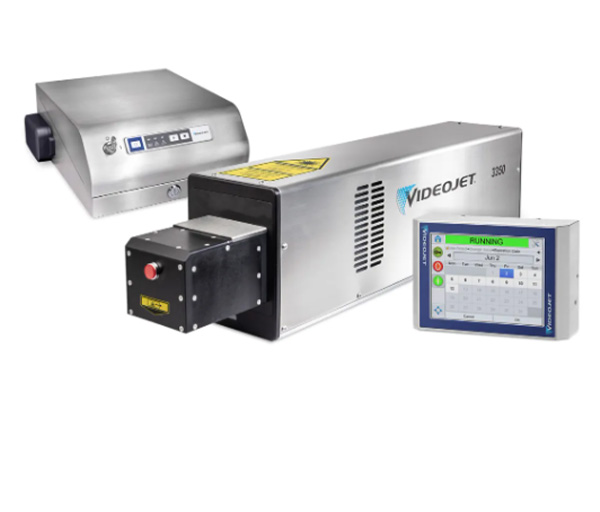
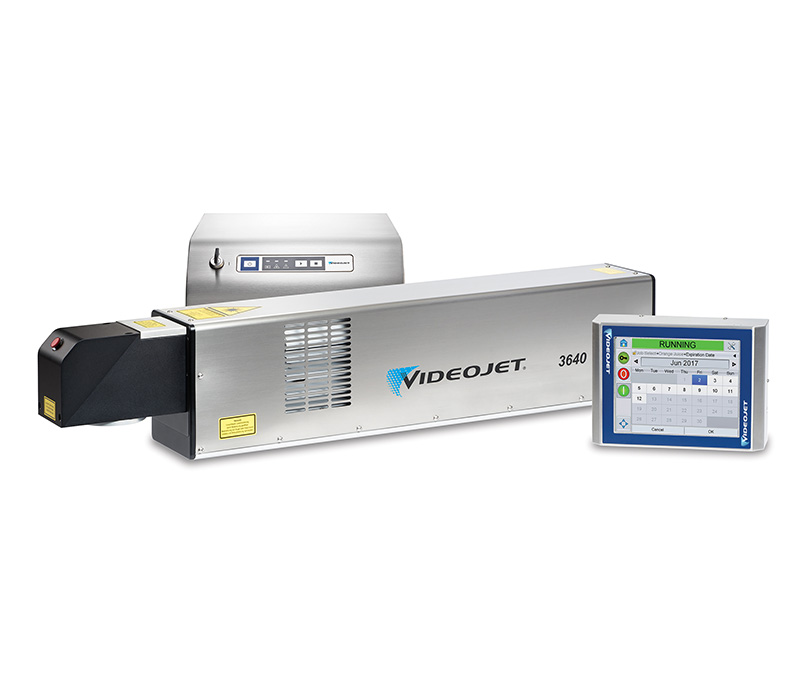
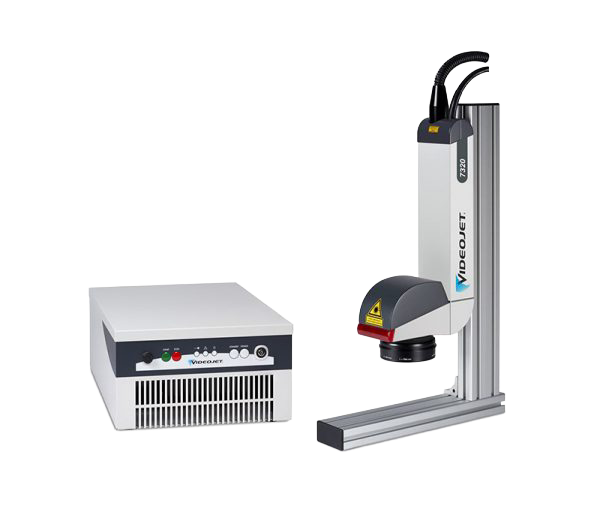
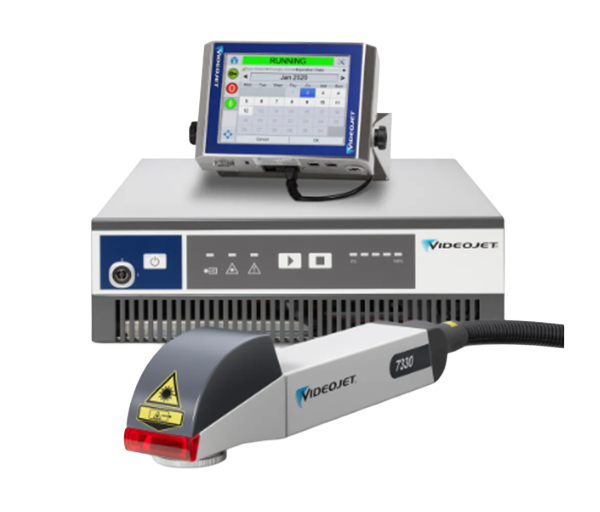
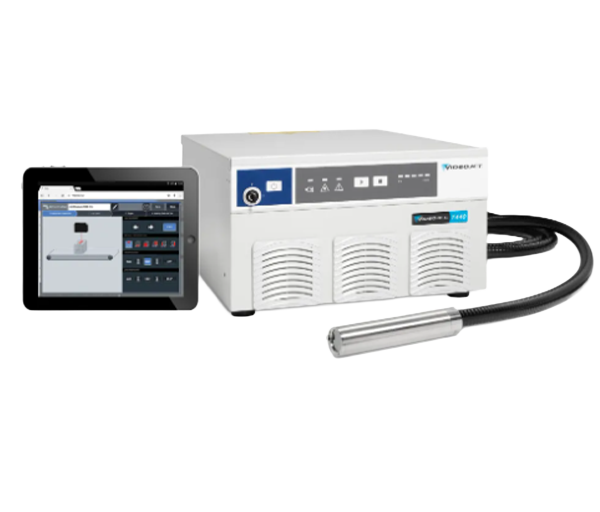
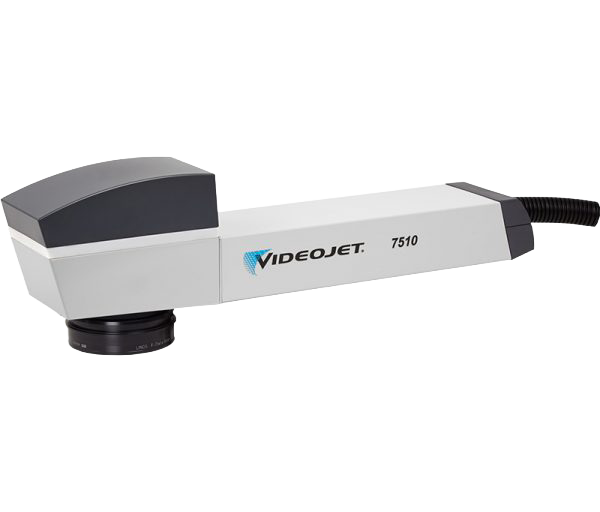
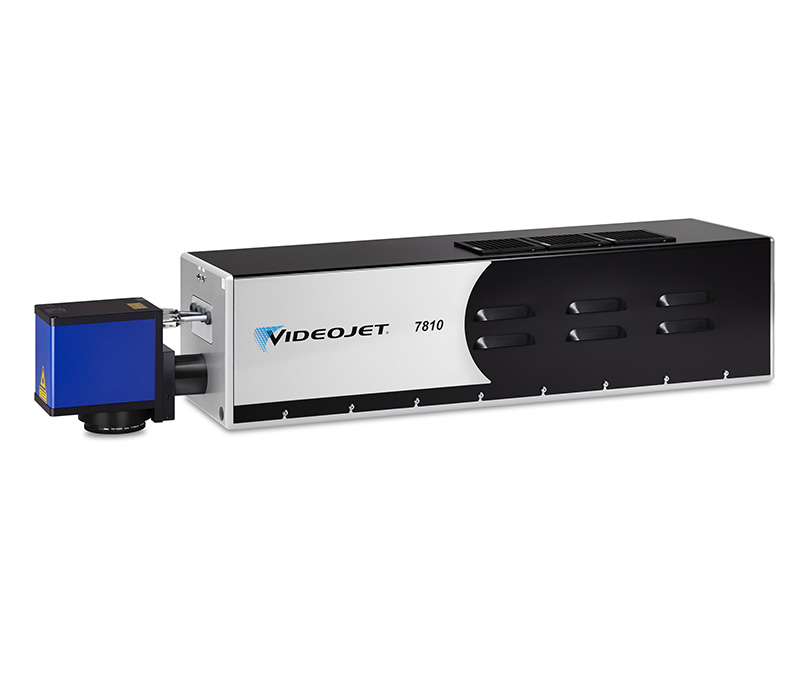
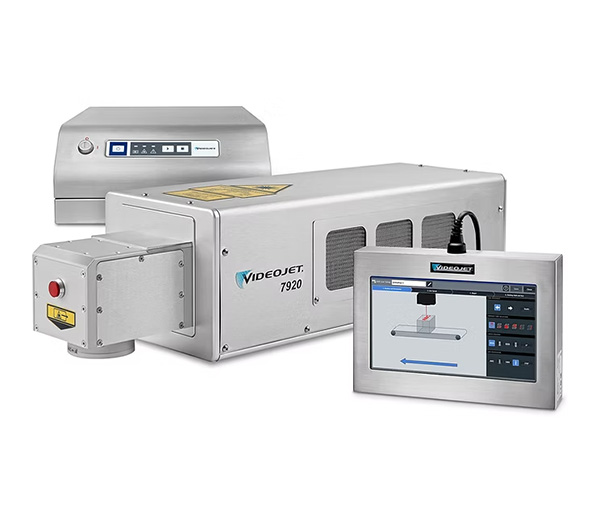
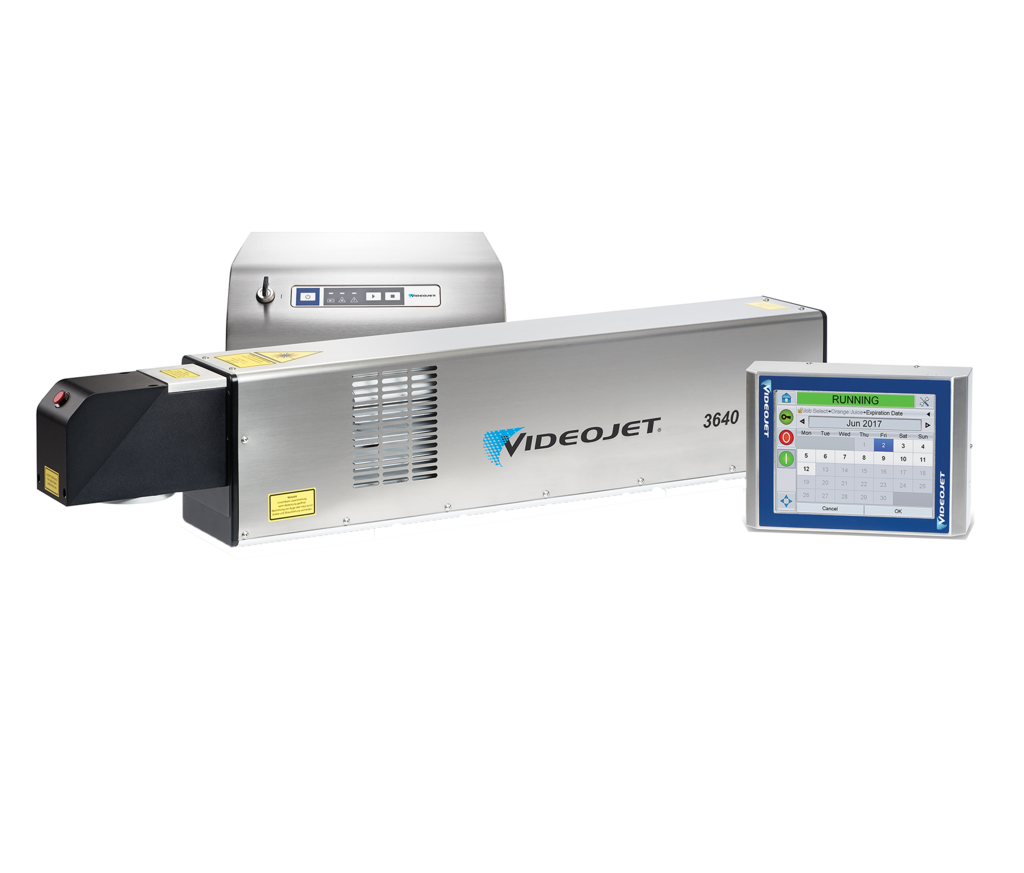
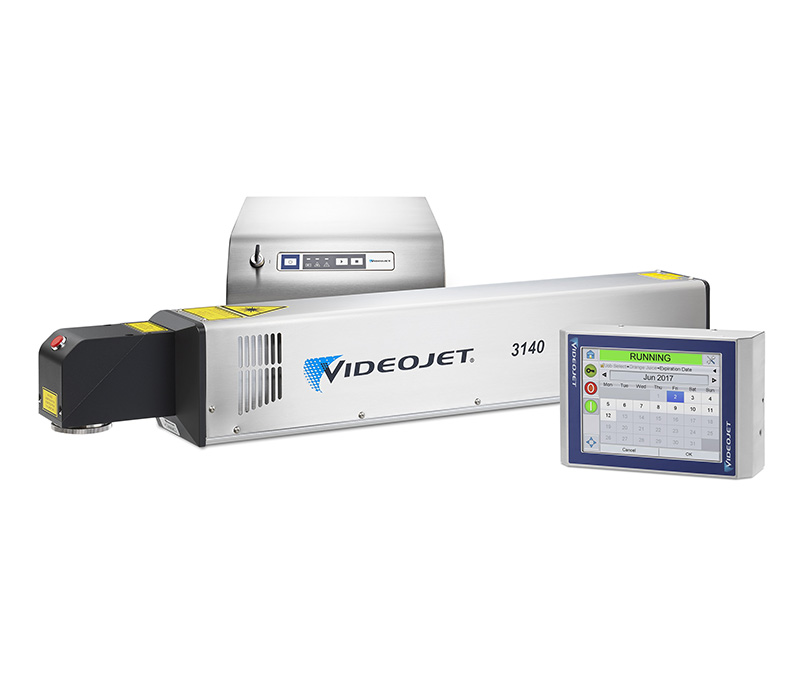
Laser marking technology is a non-contact printing method that offers advantages over other technologies, including high marking quality and durability, with minimal consumable requirements. The Videojet range of industrial lasers includes CO₂, fibre, and UV laser sources in different power ratings, enabling successful marking on almost any substrate and covering a wide range of possible applications. In addition, Videojet offers a broad selection of accessories, including lenses, to simplify integration into your production lines and maximise laser performance.

Laser marking systems are an ideal solution in almost all industries where clean, permanent, and readable marking is required, as well as in industries with very high-speed production lines. Permanent printing of variable data, linear and 2D barcodes, combined with the absence of marking consumables, represents a major advantage of these systems compared with devices based on other printing technologies.
industrijski laseri, lasersko obeležavanje, fiber laser obeležavanje, CO2 laserski sistemi, UV lasersko označavanje

FAQ

Laser marking is a non-contact printing method that marks or engraves high-quality 1D and 2D bar barcodes, multiple lines of text, batch number, lot codes, logos, etc., on various products for identification, tracking, and tracing purposes.

Laser marking systems offer reduced downtime, the elimination of most consumables (both for cost and environmental reasons), permanent marks, and reduced preventive maintenance costs associated with ink-based printers.

Laser marking systems produce permanent marks on materials such as glass, metal, plastic, rubber, and wood. The process alters precisely targeted areas of a product or package to create permanently marked barcodes, including DataMatrix codes, dates, lot and batch codes, logos and other marks. Marks cannot be removed other than by destroying the product’s surface.

Laser marking systems can slightly engrave a metal surface to produce clearly legible prints and other marks. The marking process itself takes only a few milliseconds, while the total marking time depends on the amount of content being applied.

Marking quality is determined by the power density emitted by the laser onto the product surface. Both fiber and CO₂ lasers are available for metal marking applications.

Basic preventive maintenance is minimal: filters in the fume extractor must be changed periodically and front optics should also be checked and cleaned as needed. Depending on the operating conditions and usage, a more detailed PM is recommended on a yearly basis.